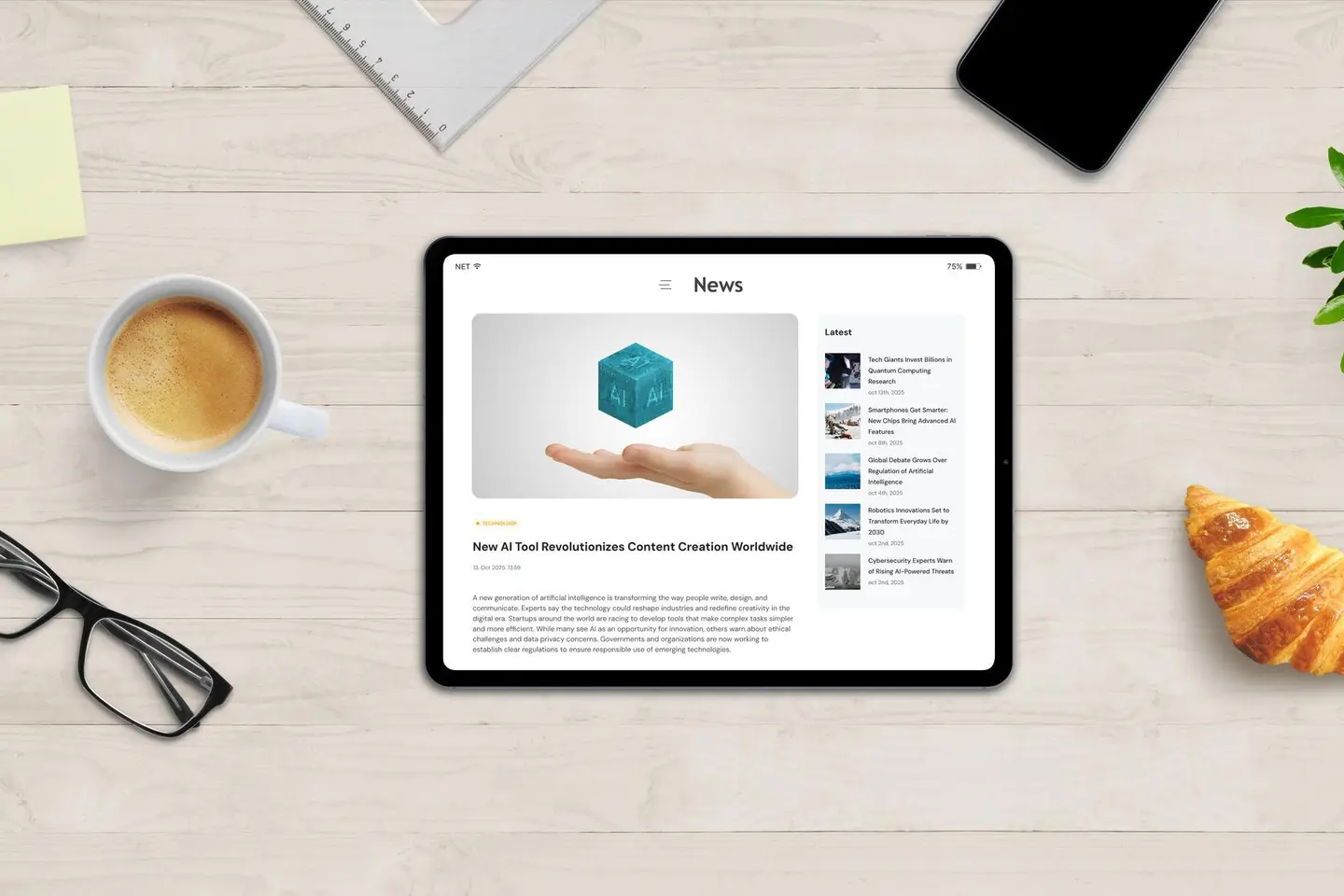
Many organizations take a news feed and turn it into a daily or weekly briefing. Most of those briefings go unread. The ones that survive share a few habits, and none of them is about design.
Write for one reader
Decide who the briefing is for and what they do with it. A sales team wants reasons to call a customer. A compliance team wants regulatory changes. A briefing for “everyone” becomes a list of headlines that nobody needs.
Filter harder than feels comfortable
Use subject, industry, and company tags to narrow the feed, then cut again by hand. Five stories that matter are read. Thirty are skimmed once and then ignored for good. If a day has nothing worth sending, a short issue builds more trust than padding.
Add the sentence only you can write
The reader can find headlines anywhere. What they cannot find is your view of why a story matters to them. One line of context under each item, written by someone who knows the audience, is the difference between a briefing and a feed.
Keep a steady rhythm
- Send at the same time, so that it becomes part of a routine.
- Keep the same order of sections, so that readers know where to look.
- Put the most important item first, every time.
- Make it easy to reply, because replies tell you what to cover.
Stay inside the licence
Check that your agreement covers internal sharing or redistribution before you include full text. Where it does not, a headline, your own summary, and a link to the source usually keep you within the rules. Always show where each story came from.